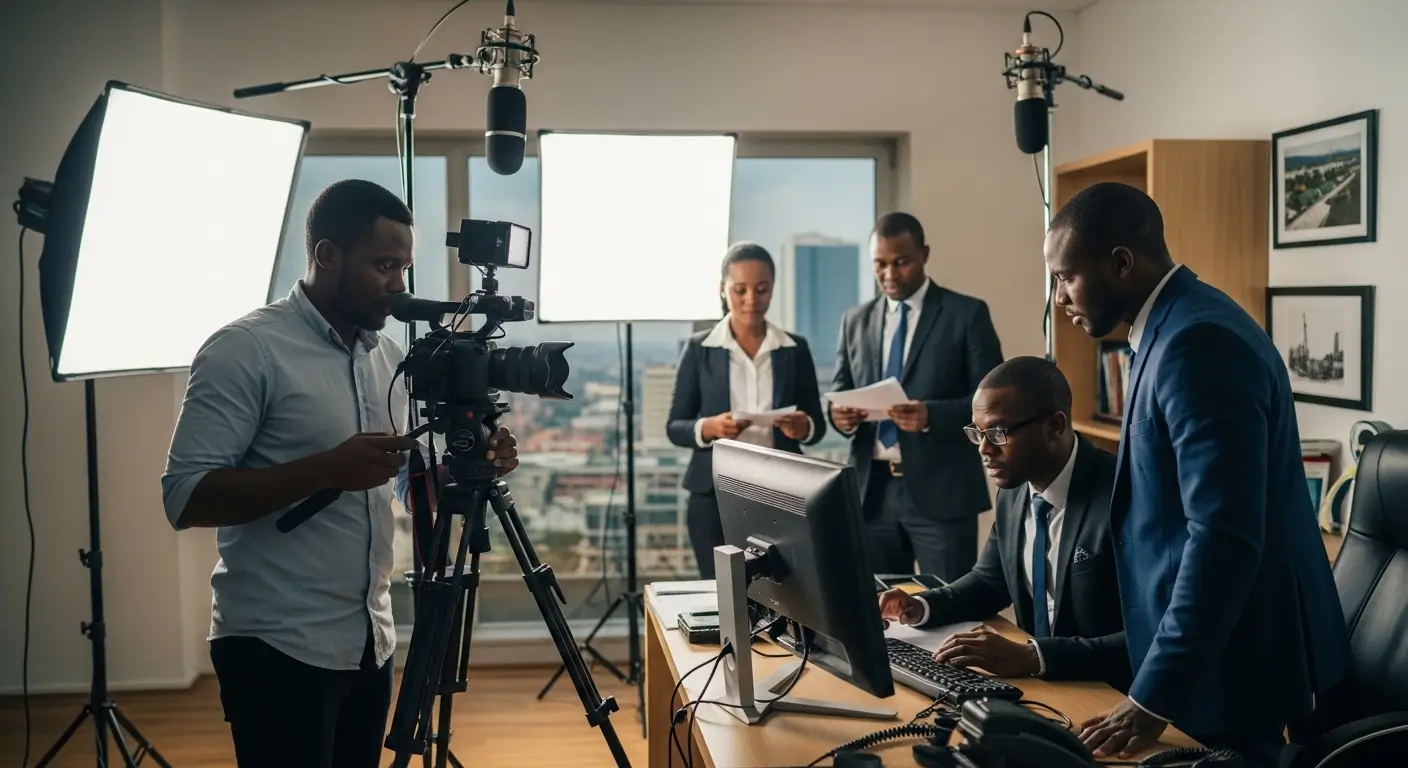
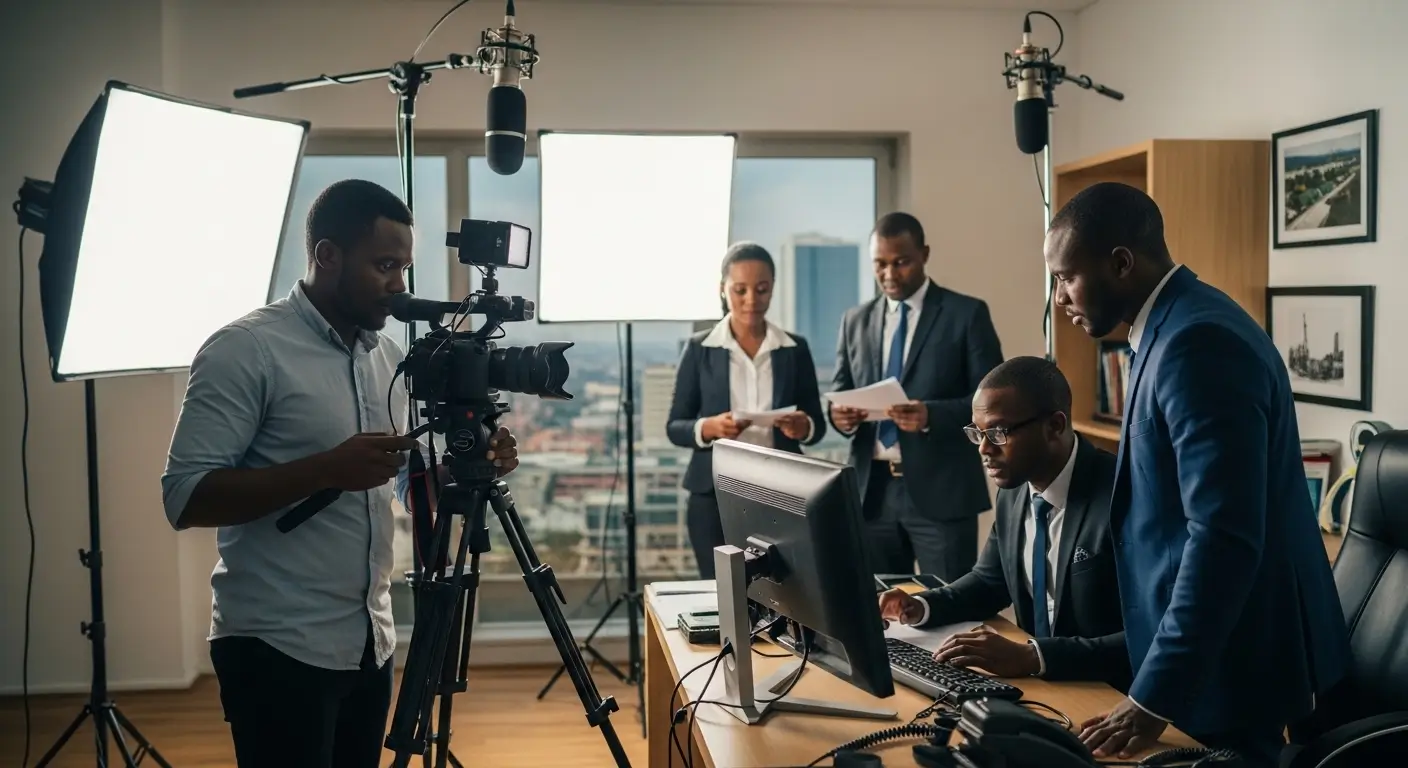

To understand what is video production, imagine you’re scrolling through your phone on a matatu heading into Nairobi’s CBD. Within minutes, you’ve watched a video product demo, a behind-the-scenes video clip from a local brand, and a testimonial from a satisfied customer. You didn’t read a single word, you watched. That’s the world we live in now, and if your business isn’t showing up in that feed, you’re already a step behind.
At its core, video production is the process of planning, filming, and editing video content from the first idea to the final polished product. But that description barely scratches the surface. Video production is a craft, a strategy, and increasingly, the most powerful communication tool available to businesses of every size.
Whether you’re a startup in Westlands, an established enterprise in Upper Hill, or a growing e-commerce brand shipping across East Africa, understanding the video production process could be the unlock that transforms how your audience sees and connects with your brand.
Video Production Meaning: More Than Just Pointing a Camera
The video production definition most people reach for is straightforward: it’s the process of creating video content. But professionals in the industry will tell you it’s far more nuanced than that.
It encompasses every phase from concept to distribution, the creative thinking, the technical execution, the storytelling architecture, and the strategic intent behind it all. Think of it like constructing a building. You wouldn’t start laying bricks without blueprints. Similarly, you don’t press record without a plan.
In essence, video production is the intersection of art, technology, and business strategy and when all three align, the results can be genuinely transformative for a brand.
The Main Stages of Video Production: Pre-Production, Production, Post-Production
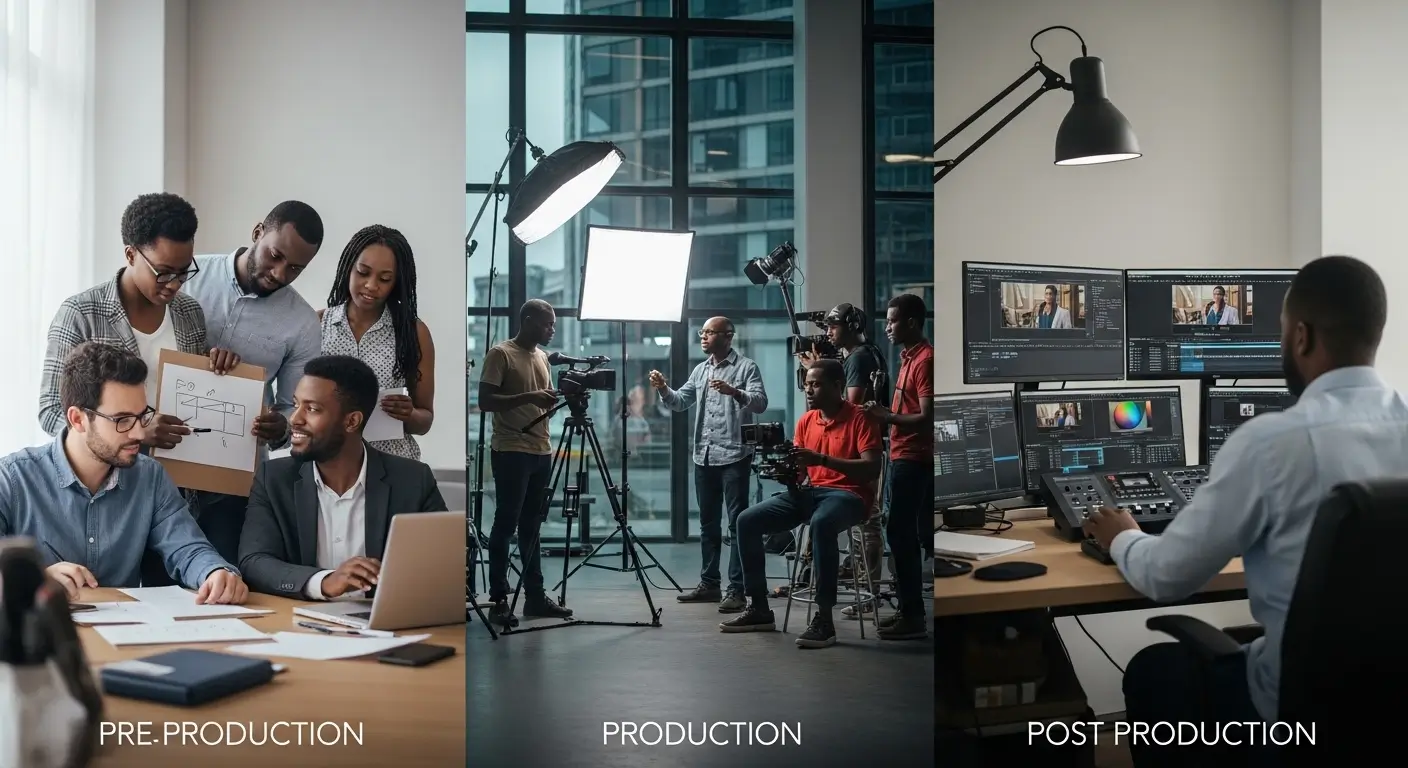
Every video whether it’s a 15-second Instagram reel or a 10-minute corporate documentary, moves through the same three fundamental stages. Understanding this lifecycle is the first step to working effectively with any video production team.
| Stage | Key Activities | Outcome |
| Pre-Production | Scripting, storyboarding, casting, location scouting, scheduling | A clear blueprint for the shoot |
| Production | Filming on set/location, directing, camera work, lighting, audio capture | Raw footage ready for editing |
| Post-Production | Video editing, color grading, sound design, motion graphics, final export | A polished, publish-ready video |
Stage 1: Pre-Production — Where Great Videos Are Actually Made
Pre-production is the unsung hero of the video production workflow. This is where the script is written, the storyboard sketched out, the talent cast, and the locations scouted. A well-executed pre-production phase can cut your shooting time in half and prevent costly reshoots.
For Kenyan businesses, this phase might also involve deciding whether to shoot on location say, the Karura Forest for an outdoor brand, or a sleek co-working space in Kilimani, or to build a set that reflects your brand aesthetic.
Stage 2: Production — Lights, Camera, Action
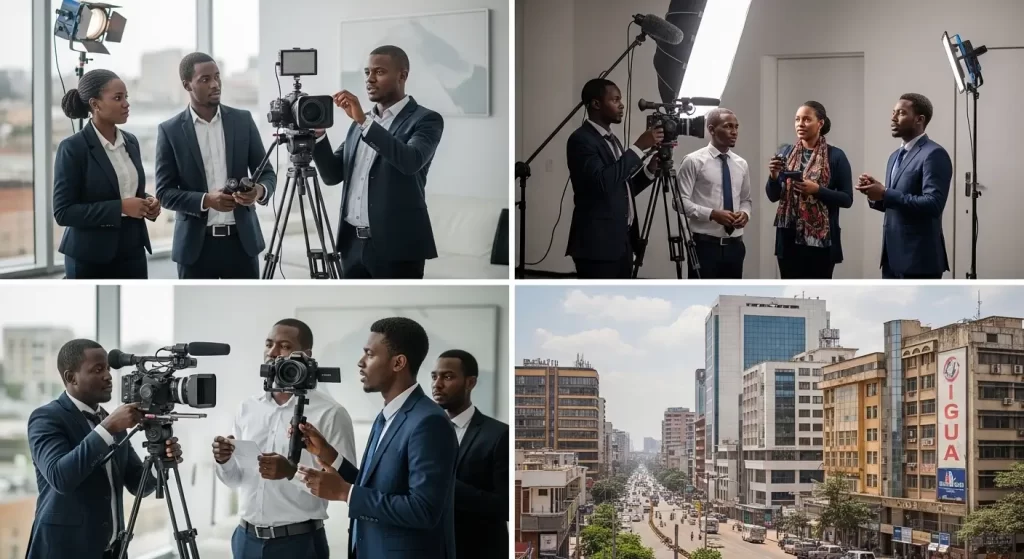
This is the stage most people picture when they think of video production. The cameras roll, the director calls action, and the crew works to capture the footage that will bring your vision to life. Shooting techniques, camera angles, lighting setups, and audio capture all play a critical role here.
A skilled production team doesn’t just point and shoot, they’re composing frames, managing natural light, directing talent, and constantly problem-solving in real time.
Stage 3: Post-Production — Where the Magic Happens
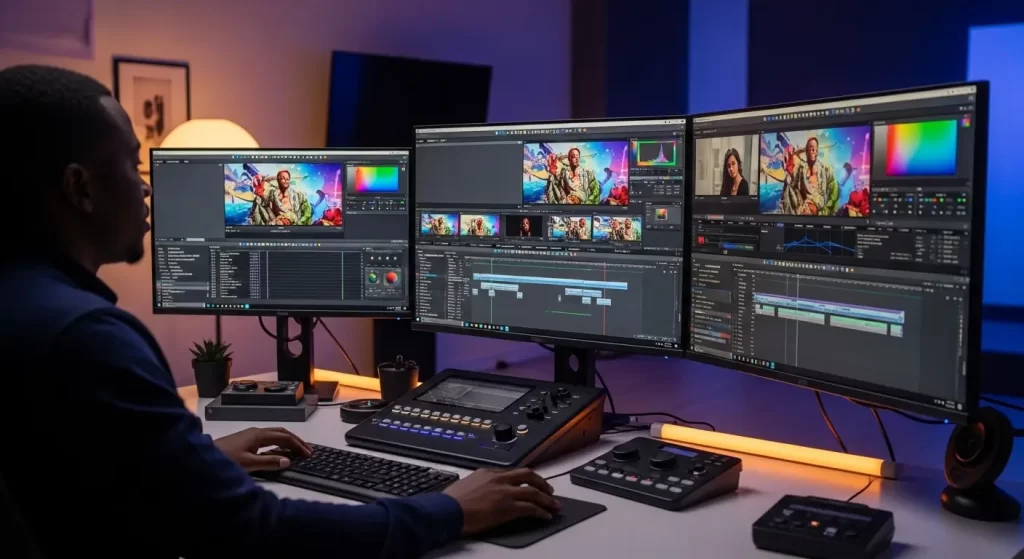
Post-production editing is where raw footage transforms into a compelling story. This stage includes video editing, color grading, sound design, motion graphics, subtitle creation, and final export in the formats you need for each platform.
In Kenya’s competitive digital space, post-production is increasingly where brands differentiate themselves, a crisp edit with punchy transitions and well-designed lower thirds communicates professionalism before your audience has heard a single word of your message.
What Equipment Is Needed for Video Production?
Here’s where the beginner’s guide often gets overwhelming, the sheer volume of gear involved can feel intimidating. But knowing what goes into a professional setup helps you appreciate why quality video production commands the investment it does.
A standard equipment kit includes:
- Cameras — Cinema cameras like the Sony FX6, Blackmagic Pocket, or mirrorless options like the Sony A7S III
- Lenses — Prime and zoom lenses suited to different focal lengths and cinematic looks
- Lighting — LED panels, softboxes, and reflectors to shape the visual mood
- Audio — Boom microphones, lavalier mics, and audio recorders for clean sound capture
- Stabilization — Gimbals, tripods, and slider rigs for smooth movement
- Post-production tools — Editing software like Adobe Premiere Pro, DaVinci Resolve, and After Effects
The camera lighting audio setup is often considered the holy trinity of production quality. You can have a mediocre camera and still produce world-class content with exceptional lighting and audio. The reverse is rarely true.
What Skills Are Required for Video Production?
Video production is a team sport. Behind every polished video is a range of specialized skills working in concert. Here’s a snapshot of the key roles in a professional video production team:
- Director — Translates the creative vision into real-world shots and performances
- Cinematographer (DOP) — Handles camera placement, movement, and visual language
- Sound Engineer — Ensures clean, broadcast-quality audio on set
- Gaffer/Lighting Technician — Designs and executes the lighting plan
- Video Editor — Assembles the footage in post-production to tell the story
- Colorist — Grades the footage for a consistent, cinematic aesthetic
- Motion Graphics Designer — Creates animated titles, infographics, and branded elements
For smaller-scale projects, many of these roles overlap. But for high-stakes productions, think national TV commercials or major brand campaigns, each role is distinct, and the depth of specialization shows
How Long Does Video Production Take?
This is one of the most common questions business owners ask and the honest answer is: it depends. A well-structured video production workflow for a 60-second social media ad might take two to three weeks from briefing to delivery. A full corporate documentary could run two to three months.
Here’s a rough timeline breakdown:
- Pre-production: 1–3 weeks (concept development, scripting, casting, logistics)
- Production: 1–3 days of filming (varies with complexity)
- Post-production: 1–4 weeks (editing, revisions, final delivery)
The biggest variable is usually the revision cycle. Clear, detailed briefs at the outset dramatically reduce back-and-forth during post-production and keep timelines on track.
How Much Does Video Production Cost in Kenya?
Let’s address the elephant in the room, budget. Video production costs in Kenya vary widely based on the scope, duration, crew size, and post-production complexity of the project.
| Video Type | Estimated Cost (Kenya) | Best For |
| Social Media Video | (30–60 sec) KES 30,000 – 100,000 | Brands, SMEs, Startups |
| Corporate Explainer Video | KES 80,000 – 300,000 | B2B companies, NGOs |
| TV Commercial / Ad Large enterprises, FMCG | KES 250,000 – 1,000,000+ | Large enterprises, FMCG |
| Full Event Coverage | KES 50,000 – 200,000 | Conferences, product launches |
Think of video production as a long-term investment rather than a one-time expense. A well-produced brand video can serve your business for two to three years, continuously generating leads, building trust, and articulating your value proposition long after the cameras have been packed away.
How to Start a Video Production Project: A Step-by-Step Guide
So you’re ready to get started. Here’s how the video production steps typically look from the client side:
- Define your objective — What do you want the video to achieve? More sales? Brand awareness? Internal training?
- Identify your audience — Who is watching, and what do they care about most?
- Set a realistic budget — Be upfront with your production team about what you have to work with.
- Choose the right production partner — Look for a team with a strong portfolio, clear communication, and cultural fluency in your market.
- Do I need a script? — Not necessarily at first. Many video production companies offer scriptwriting as part of their service. What you do need is a clear idea of your message and tone.
- Brief the team thoroughly — Share your brand guidelines, reference videos you admire, and any non-negotiables upfront.
- Review and approve — Stay engaged during the revision process. Your feedback shapes the final product.
The basics of video production become much less daunting once you’re working with a team that knows how to translate your vision into compelling visuals.

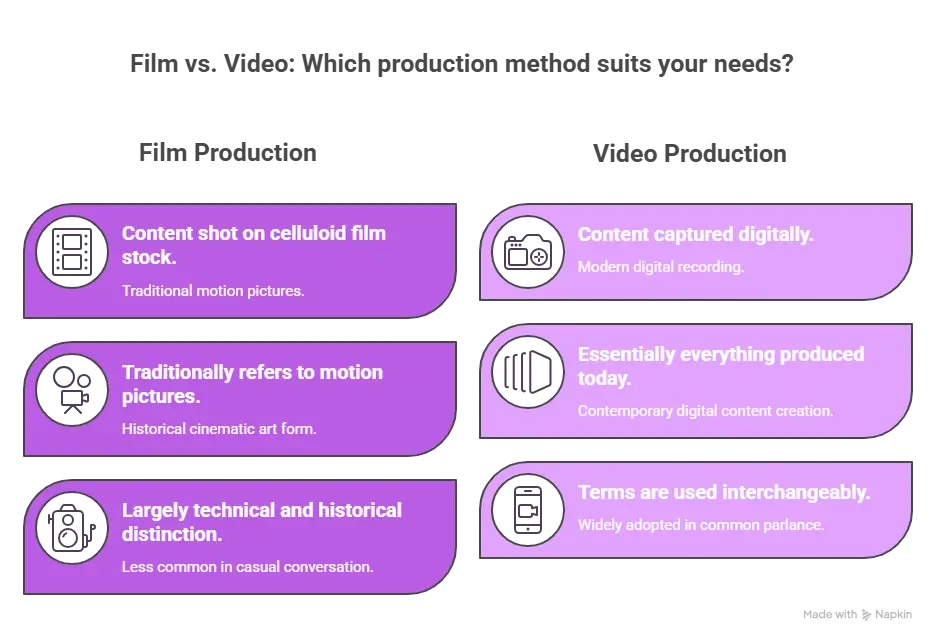
Film vs. Video Production: What’s the Difference?
A quick note on terminology. The distinction between film and video production is largely technical and historical. Film traditionally refers to content shot on celluloid film stock, as in motion pictures. Video production refers to content captured digitally, which is essentially everything produced today, from YouTube ads to Netflix originals.
In everyday usage, the terms are used interchangeably, and most modern production companies work digitally. What matters more than the medium is the craft, storytelling, and intentionality behind the lens.
Frequently Asked Questions About Video Production
What is video production?
Video production is the complete process of creating video content from initial concept and scriptwriting through filming and into post-production editing and final delivery. It encompasses every creative and technical decision that shapes what the audience ultimately sees and hears.
Do I need a script before contacting a video production company?
No and most good production companies actually prefer to be involved from the concept stage. You don’t need a finished script, but you should come with a clear brief: your objective, target audience, key messages, and preferred tone. The production team can help develop the script from there
What are the main stages of video production?
The three main stages are pre-production (planning and preparation), production (filming), and post-production (editing and delivery). Each stage is essential, and the quality of the final product depends on how well all three are executed.
How long does video production take?
Timelines vary. A social media video might be delivered in two to three weeks. A full corporate production could take six to twelve weeks. The key variables are scope, number of shoot days, revision rounds, and how quickly approvals move on the client side.
How much does video production cost?
Costs in Kenya range from KES 30,000 for a basic social media video to well over KES 1 million for a full-scale TV commercial. The investment reflects crew size, equipment, location logistics, and post-production complexity.
Conclusion: Your Brand Has a Story Worth Telling
Video production isn’t just a marketing tool, it’s the language of the modern consumer. In Kenya’s rapidly growing digital economy, where mobile internet penetration is reshaping how people discover, evaluate, and buy from businesses, video content creation is one of the clearest paths to building a brand that resonates.
From understanding the video production process to knowing which format suits your goals, the knowledge you’ve gained here is the foundation of a smarter video strategy. The next step? Putting it into action.
Whether you’re producing your first corporate video, launching a social media campaign, or scaling your content marketing efforts, the right video production partner makes all the difference saving you time, protecting your investment, and delivering content that actually moves the needle.
Ready to Bring Your Brand to Life?
You’ve got the vision. We’ve got the cameras, the crew, and the creative edge.
Let’s build something remarkable together, no obligation, no pressure, just a conversation about what’s possible for your business.
Learn More About How We can Solve Your Video Production Challenges
Post a comment
Related Posts
April 15, 2026
3 Stages of Video Production Every Business Must Know
From pre-production planning to final delivery. Learn every stage of video production and get better…